Planning social media used to mean picking dates and filling boxes on a calendar. In 2026, that definition no longer holds.
Creators are managing more platforms, more formats, and higher expectations with the same limited hours. The shift toward AI content calendars isn’t about automation for its own sake. It’s about building a structure that makes consistent, high-quality publishing possible without burnout.
The dominant intent behind this topic is informational with solution awareness. People want to understand how content planning has evolved, why old methods break down, and what modern systems look like in practice.
What an AI content calendar actually is in 2026
An AI content calendar is not a spreadsheet with suggested captions.
In its modern form, it’s a planning layer that connects ideas, timing, formats, and publishing rules into a single system. The calendar is no longer static. It adapts as inputs change.
At a minimum, creators expect it to:
- Suggest content themes based on past performance
- Adjust posting cadence per platform
- Reuse ideas intelligently across formats
- Account for brand voice and tone
- Maintain continuity over weeks, not just days
The calendar becomes a living plan, not a to-do list.
Why traditional content calendars stopped working
The classic calendar model assumed three things:
- One primary platform
- Manual posting
- Linear workflows
None of those assumptions holds today.
Creators now publish across feeds, stories, short-form video, and long-form text. Manual workflows introduce friction at every step. Linear planning collapses the moment a trend shifts or a post underperforms.
The result is predictable:
- Missed posting windows
- Repeated content themes
- Inconsistent voice
- Planning fatigue
When effort replaces structure, consistency becomes fragile.
How creators are planning content differently now
High-output creators in 2026 plan systems, not posts.
Instead of asking “What should I post tomorrow?”, they define:
- Content pillars that can scale
- Reusable formats that refresh automatically
- Rules for when and where content appears
Planning moves upstream. Decisions are made once, then reused.
This approach reduces daily cognitive load and keeps quality stable even as volume increases.

The role of AI in modern content planning
AI’s real value in content calendars is coordination, not creativity.
Well-designed systems use AI to:
- Detect patterns in engagement data
- Recommend timing based on audience behavior
- Maintain stylistic consistency across drafts
- Surface gaps in the content mix
AI handles the variables humans shouldn’t have to track manually. The creator stays focused on judgment, context, and final approval.
This division of labor is what makes scale sustainable.
From ideas to publishing: the end-to-end shift
Older tools focused on isolated steps:
- One app for ideas
- Another for writing
- Another for scheduling
Each handoff introduced delay and duplication.
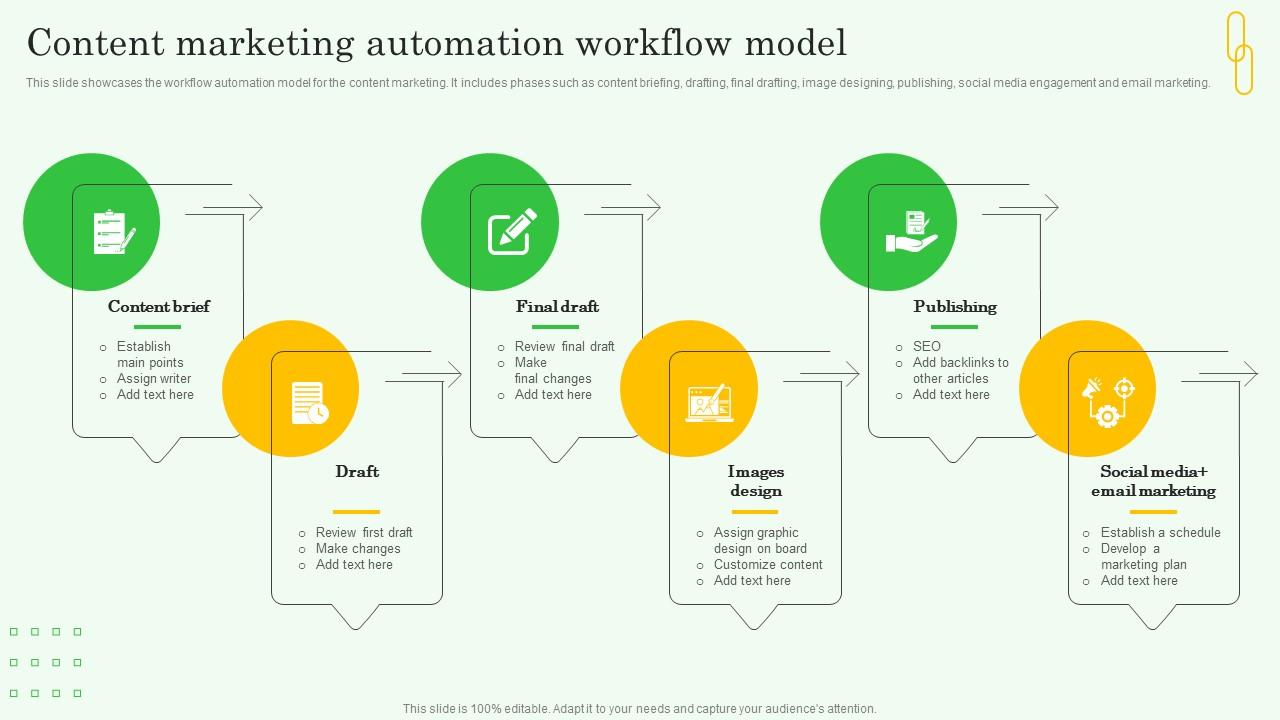
In 2026, planning happens end-to-end. An idea flows directly into draft generation, scheduling, review, and publishing without leaving the system.
This continuity matters because:
- Context is preserved
- Feedback loops tighten
- Adjustments propagate automatically
A calendar without execution awareness is incomplete.

Why fragmented workflows fail at scale
Fragmented setups fail quietly.
They work when posting is occasional. They break when volume increases.
Common failure points include:
- Manual copy-paste between tools
- Lost context between drafts and schedules
- Conflicting versions of the same post
- No single source of truth
Over time, creators compensate with discipline. Discipline eventually runs out.
Systems don’t.
What creators expect from content calendars now
By 2026, expectations have shifted from features to outcomes.
Creators look for:
- Predictable publishing without daily effort
- Clear visibility into what’s coming next
- Consistency across platforms
- Minimal setup friction
- Flexibility when plans change
A calendar is judged by how invisible it becomes once configured.
The best systems feel calm, not busy.
The emergence of the content operating system
As planning needs matured, calendars evolved into something broader.
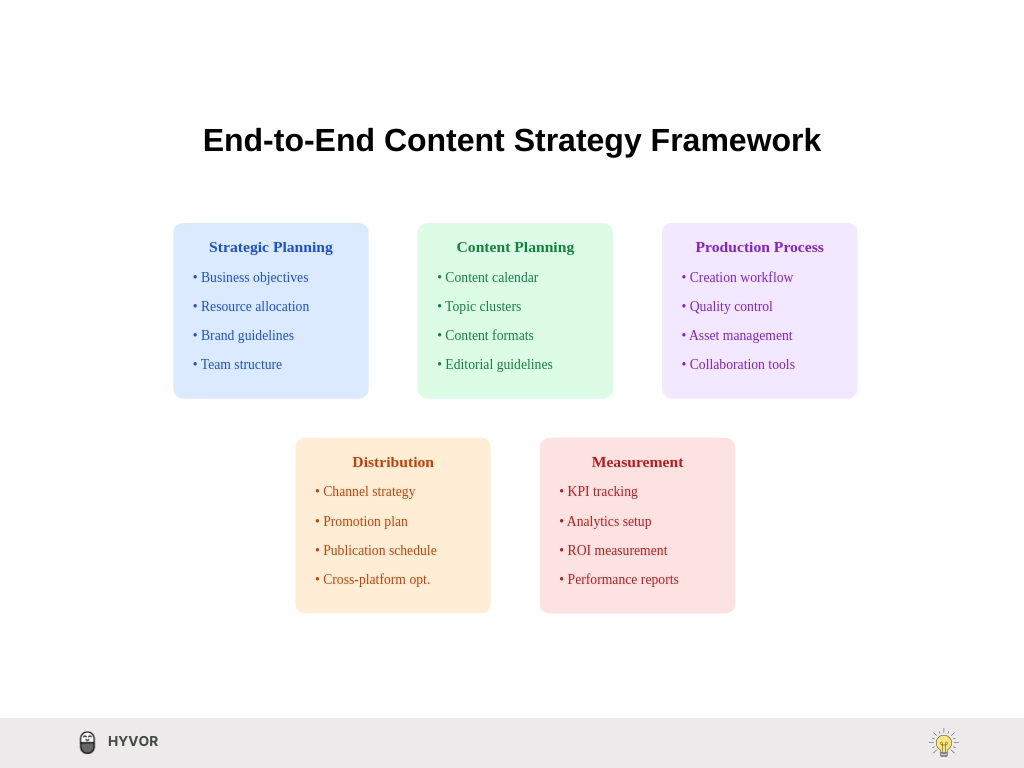
A content operating system connects:
- Strategy (what to say)
- Structure (how often and where)
- Execution (drafting and scheduling)
- Feedback (performance signals)
The calendar becomes the control layer, not the product itself.
This is where platforms like Bolta.ai fit naturally into the landscape, as an example of how planning, context, and execution can live in one environment rather than across disconnected tools.
How AI content calendars support consistency without burnout
Consistency used to require constant effort.
Now it’s a byproduct of structure.
When systems handle:
- Scheduling logic
- Format reuse
- Voice alignment
- Platform-specific adjustments
Creators regain time and mental space. Posting becomes a review task, not a creative marathon.
Burnout decreases because decision fatigue disappears.

What this shift means for creators moving forward
The most successful creators in 2026 aren’t posting more because they work harder.
They’re posting more because their systems are doing the repetitive work.
Structure beats effort.
Systems outperform discipline.
Content performs best when it’s organized from idea to publication without friction.
AI content calendars are no longer a trend. They’re the infrastructure behind sustainable creative work.
Frequently Asked Questions About AI Content Calendars
What is an AI content calendar?
An AI content calendar is a tool that helps you plan, organize, and prepare content ahead of time using artificial intelligence.
Instead of staring at a blank page every day, an AI content calendar helps you:
- Save ideas
- Turn ideas into drafts
- Plan when content will be posted
- Stay consistent without stress
It’s meant to support your thinking, not replace it.
Do AI content calendars actually help?
Yes — but only if they reduce mental effort.
The real problem with content isn’t writing.
It’s deciding what to post, when to post, and where ideas live.
A good AI content calendar removes those decisions so you can focus on the message, not the process.
How is an AI content calendar different from a regular calendar?
A regular calendar only shows dates.
An AI content calendar connects:
- Ideas
- Drafts
- Topics
- Platforms
- Scheduling
Everything lives in one place, so content doesn’t get lost across notes, documents, and reminders.
Can I use Notion as a content calendar?
You can — but most creators struggle with it.
Notion is great for documentation, but content planning in Notion is usually:
- Too manual
- Too open-ended
- Easy to abandon
You still have to:
- Decide what to write
- Rewrite everything yourself
- Move content between tools
- Remember to come back to it
That’s why many creators stop using it after a few weeks.
Why is Bolta.ai better than Notion or other tools?
Bolta.ai is built specifically for content workflows — not notes or documents.
Bolta.ai helps you:
- Capture ideas the moment they appear
- Turn rough thoughts into drafts using AI
- Organize content by topic and platform
- Plan ahead with a real content calendar
- Stay consistent without burning out
Instead of acting like a blank workspace, it guides you through the full content process.
Is an AI content calendar only for teams or agencies?
No. It works for:
- Solo creators
- Founders
- Freelancers
- Small teams
- Agencies
Anyone who creates content regularly benefits from having a system instead of relying on memory or motivation.
Will an AI content calendar make my content sound fake?
Only if it’s used the wrong way.
Good AI tools help you:
- Organize your thoughts
- Rewrite gently
- Save time on structure
They don’t replace your voice.
The best results come from using AI as an assistant, not as the writer.
How do I start using an AI content calendar?
Start simple:
- Save ideas as they come
- Review them later
- Turn a few into drafts
- Plan when they’ll be posted
Consistency comes from structure, not discipline.
Do I still need motivation if I use an AI content calendar?
Less than you think.
When ideas, drafts, and plans are already waiting for you, posting feels lighter.
You stop relying on “feeling inspired” and start relying on a system.
That’s the real benefit.