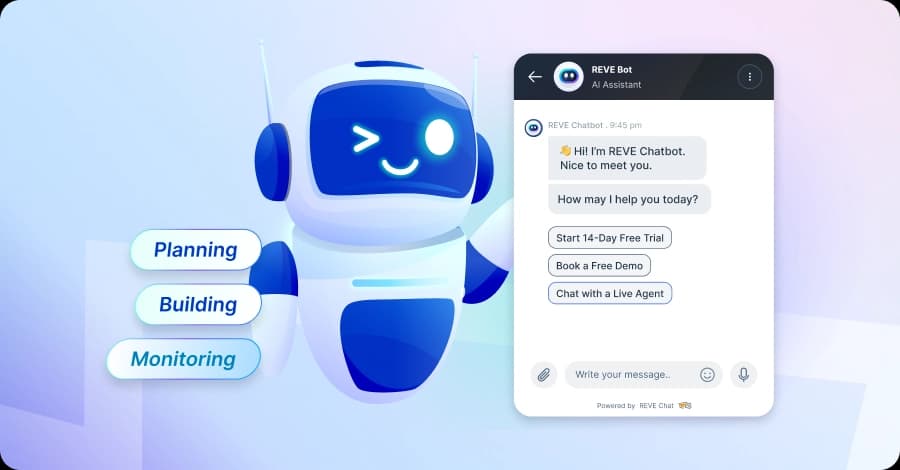
In 2026, social media chatbots are set to revolutionize how businesses interact with their customers. As technology continues to advance, these AI-driven tools are becoming essential for providing efficient and personalized customer service on social platforms. With the ability to handle inquiries around the clock, chatbots are changing the landscape of customer support, making it faster and more accessible than ever before. This article explores the evolution, advantages, and future of social media chatbots in customer service.
The Evolution of Social Media Chatbots in Customer Service
Social media chatbots have come a long way, and by 2026, they’re practically unrecognizable compared to their clunky ancestors. It’s not just about answering simple questions anymore; it’s about creating meaningful interactions that actually help customers. The transformation is driven by advances in AI, making these bots smarter and more capable.
Historical Context of Chatbots
Remember those early chatbots? They were pretty basic, often frustrating, and rarely helpful. They relied on simple keyword recognition and pre-programmed responses, leading to robotic and impersonal interactions. The initial goal was simply to reduce the workload on human agents, but the technology wasn’t quite there yet. Think of them as digital receptionists who could only answer the most basic questions. Now, AI handles interactions with ease.
Current Trends in Social Media Chatbots
Today’s chatbots are a whole different ballgame. They’re powered by machine learning and natural language processing, allowing them to understand complex queries and provide personalized responses. We’re seeing a rise in conversational AI, where chatbots can engage in more natural and human-like conversations. Plus, they’re integrated across multiple social media platforms, providing seamless support wherever customers are.
- Personalized recommendations
- Proactive support
- Multilingual capabilities
Future Predictions for Chatbot Development
Looking ahead, the future of social media chatbots is incredibly exciting. Expect to see even more sophisticated AI, enabling chatbots to handle complex issues and even anticipate customer needs. Emotionally intelligent chatbots will be able to detect and respond to customer sentiment, creating more empathetic and human-like interactions. We’re also likely to see greater integration with other technologies, such as voice assistants and augmented reality. The goal? To make customer service as seamless and intuitive as possible. By 2026, AI customer service will be the norm.
The evolution of social media chatbots is not just about technological advancements; it’s about changing the way businesses interact with their customers. These bots are becoming an integral part of the customer service ecosystem, providing instant support, personalized experiences, and valuable insights. As AI continues to evolve, chatbots will play an even more important role in shaping the future of customer service.
Key Advantages of Social Media Chatbots for Customer Service
Social media chatbots are becoming a must-have for businesses. They’re not just a fancy add-on; they offer real, tangible benefits that can seriously improve your customer service and bottom line. Let’s look at some of the biggest advantages.
24/7 Availability and Support
One of the coolest things about chatbots is that they never sleep. They’re always on, ready to help customers no matter the time of day or night. This is a huge deal because customers expect instant support, and a chatbot can deliver that even when your human agents are off the clock. This constant availability can really boost customer satisfaction.
Faster Response Times
Waiting on hold or for an email reply is frustrating. Chatbots can answer common questions instantly, cutting down on wait times. This speed is a major win for customer experience. No one wants to spend their time waiting for help; they want quick solutions, and chatbots provide exactly that.
Enhanced Personalization
Chatbots can also be surprisingly personal. By analyzing customer data, they can tailor their responses and recommendations to individual needs. This level of personalization makes customers feel valued and understood, leading to stronger relationships with your brand. It’s not just about answering questions; it’s about making each customer feel like they’re getting a unique and helpful experience.
Think of it this way: a chatbot can remember a customer’s past purchases, preferences, and even their previous interactions with the company. This allows the chatbot to provide more relevant and helpful information, making the customer feel like they’re talking to someone who actually knows them.
Integrating AI Technology in Social Media Customer Service
AI is changing how companies handle customer service on social media. It’s not just about automating responses; it’s about making the whole experience smarter and more efficient. By 2026, AI is expected to manage a huge chunk of customer interactions, which means faster help and happier customers. Let’s look at how AI is making this happen.
Machine Learning for Improved Interactions
Machine learning (ML) is making chatbots way better at understanding what customers want. Instead of just following a script, ML algorithms let chatbots learn from every conversation. This means they can adapt to different situations and provide more relevant answers. Think of it like teaching a chatbot to understand not just the words, but also the intent behind them. This leads to more natural and helpful conversations. For example, a customer asking about a delayed order can get specific information without having to repeat themselves.
Natural Language Processing Advances
Natural Language Processing (NLP) is the key to making chatbots sound less like robots and more like humans. NLP helps chatbots understand the nuances of language, like slang, sarcasm, and even typos. This means they can handle complex questions and provide accurate answers, even if the customer doesn’t phrase things perfectly.
NLP is getting so good that chatbots can now understand the context of a conversation and respond accordingly. This makes the whole interaction feel more natural and less frustrating for the customer.
Here are some ways NLP is improving chatbot interactions:
- Better understanding of customer intent
- More accurate responses to complex questions
- Ability to handle different languages and dialects
Sentiment Analysis Capabilities
Sentiment analysis is all about understanding the emotion behind a customer’s message. Is the customer happy, angry, or frustrated? Sentiment analysis helps chatbots detect these emotions and respond accordingly. For example, if a customer is angry, the chatbot can escalate the issue to a human agent right away. This ensures that customers get the help they need, when they need it. Here’s how sentiment analysis is used:
- Detecting customer frustration and escalating issues
- Tailoring responses to match the customer’s emotional state
- Identifying trends in customer sentiment to improve service
Challenges in Implementing Social Media Chatbots
While social media chatbots offer a ton of potential for improving customer service, it’s not all sunshine and rainbows. There are definitely some hurdles to clear before you can fully reap the benefits. It’s important to be aware of these challenges upfront so you can plan accordingly and avoid some major headaches down the road.
Data Privacy Concerns
One of the biggest worries surrounding social media chatbots is data privacy. These bots collect and process a lot of personal information, and if that data isn’t handled carefully, it could lead to some serious problems. Think about it: names, addresses, purchase histories, even personal preferences – it’s all up for grabs. Making sure you’re compliant with data privacy regulations is non-negotiable. You need robust security measures in place to protect customer data from breaches and unauthorized access. Otherwise, you risk losing customer trust and facing hefty fines. It’s a complex area, but getting it right is absolutely essential.
Maintaining Human Touch
It’s easy to get carried away with automation, but remember that customers still crave that human connection. Over-relying on chatbots can make your brand seem impersonal and robotic. The key is finding the right balance between automation and human interaction. Chatbots are great for handling simple, routine inquiries, but when things get complicated or emotional, you need to have a human agent ready to step in. Think of chatbots as assistants that free up your human agents to focus on more complex and sensitive issues. This hybrid approach ensures that customers get the best of both worlds: quick, efficient service and a personal touch when they need it most. For example, refund delays can be frustrating, and a human touch can help.
Technical Limitations
Let’s be real: chatbots aren’t perfect. They still have some technical limitations that can impact their effectiveness. Natural language processing (NLP) isn’t always spot-on, and chatbots can sometimes misinterpret customer requests or provide irrelevant responses. This can lead to frustration and a negative customer experience. Plus, chatbots require ongoing maintenance and updates to keep them running smoothly. You need a team of skilled developers and data scientists to monitor performance, fix bugs, and train the chatbot to handle new situations. It’s an investment, but it’s necessary to ensure that your chatbot is providing accurate and helpful information. Here are some things to consider:
- Chatbots may struggle with complex or nuanced language.
- Integration with existing systems can be tricky.
- Continuous training is required to improve accuracy.
It’s important to remember that chatbots are a tool, not a magic bullet. They can be incredibly helpful, but they’re not a replacement for human agents. By understanding their limitations and planning accordingly, you can maximize their effectiveness and provide a better customer experience.
Case Studies: Successful Implementation of Chatbots
Brand A: Increased Engagement
So, I was reading about how some companies are killing it with social media chatbots, and it’s pretty interesting. Take Brand A, for example. They’re a clothing retailer, and they implemented a chatbot on their Instagram page about a year ago. Before the chatbot, they were struggling to keep up with all the DMs and comments. Now? It’s a different story.
Their engagement rates have skyrocketed.
- They’ve seen a 40% increase in interactions on their posts.
- Their customer satisfaction scores have gone up by 25%.
- They’re getting way more leads through the chatbot than they ever did with their old methods.
It’s not just about answering questions faster; it’s about creating a better overall experience for their customers. The chatbot can handle simple stuff like order tracking and product recommendations, freeing up their human agents to deal with more complex issues.
Brand B: Cost Reduction
Brand B is a completely different story. They’re a tech company, and their main goal was to cut costs. They were spending a fortune on customer service reps, and they figured a chatbot could help them automate some of that. And guess what? It worked.
| Metric | Before Chatbot | After Chatbot | Change |
|---|---|---|---|
| Support Staff | 50 | 30 | -40% |
| Avg. Resolution Time | 24 hours | 4 hours | -83.33% |
| Support Costs | $500,000/month | $300,000/month | -40% |
They’ve managed to reduce their customer service costs by 40%. The chatbot handles about 70% of their customer inquiries, which means they don’t need as many human agents. Plus, the chatbot is available 24/7, so customers can get help whenever they need it.
Brand C: Enhanced Customer Satisfaction
Then there’s Brand C, a financial institution. They wanted to improve customer satisfaction, especially among younger customers who prefer to communicate through social media. They launched a chatbot on Facebook Messenger that can answer questions about account balances, transaction history, and even help with basic financial planning.
Here’s what they did:
- Personalized greetings and responses based on customer data.
- Proactive support by anticipating customer needs.
- Seamless transfer to human agents for complex issues.
Brand C saw a 30% increase in customer satisfaction scores after implementing the chatbot. Customers love that they can get quick answers to their questions without having to call a phone number or wait on hold. The chatbot has also helped Brand C build stronger relationships with its customers by providing personalized and helpful support.
Future Innovations in Social Media Customer Service
Social media customer service is about to get a whole lot more interesting. We’re not just talking about faster responses; we’re looking at a complete transformation of how brands and customers interact. Think about it: AI that anticipates your needs before you even voice them, chatbots that understand your emotions, and interactions that feel genuinely human. It’s a wild ride, and it’s closer than you think.
Voice-Activated Chatbots
Imagine talking to your favorite brand just like you talk to Alexa or Siri. That’s the promise of voice-activated chatbots. As voice recognition tech gets better, these chatbots will become more common, letting you handle customer service tasks hands-free. It’s all about making things easier and more convenient. Think about asking for order status while you’re cooking dinner or reporting a problem without typing a single word. The possibilities are pretty cool.
Predictive Customer Service
Predictive customer service is like having a mind-reading assistant. These systems use fancy algorithms to figure out what you need before you even ask.
Here’s how it might work:
- Analyzing your past purchases to suggest relevant products or services.
- Detecting potential issues based on your browsing behavior.
- Proactively offering solutions before you even realize there’s a problem.
It’s not about being creepy; it’s about being helpful. The goal is to make your life easier by anticipating your needs and providing solutions before you even have to ask.
Emotionally Intelligent Interactions
Chatbots are getting smarter, and they’re learning to understand emotions. This means they can detect if you’re frustrated, angry, or happy and respond accordingly.
- Adjusting their tone to match your mood.
- Offering empathy and support when you’re upset.
- Knowing when to escalate an issue to a human agent.
This is a big deal because it can make interactions feel more human and less robotic. It’s all about building stronger connections with customers and making them feel understood. It’s not perfect yet, but it’s getting there. The future of social media will see an increase in new channels, greater use of AI and data, seamless shopping experiences through social commerce, and the rise of creators shaping content and engagement.
Best Practices for Utilizing Social Media Chatbots
Designing User-Friendly Interfaces
When setting up social media chatbots, it’s super important to make them easy to use. A confusing chatbot is worse than no chatbot at all. Think about how people actually talk and design the chatbot’s flow to match that. Use clear language, avoid jargon, and make sure the options are obvious. A well-designed interface will encourage people to actually use the chatbot and get the help they need. It’s also a good idea to test the interface with real users to see if they have any trouble navigating it.
Continuous Learning and Improvement
Chatbots aren’t a “set it and forget it” kind of thing. They need constant attention and updates. Here’s what that looks like:
- Regularly review chatbot conversations to identify areas for improvement.
- Update the chatbot’s knowledge base with new information and answers to frequently asked questions.
- Use analytics to track chatbot performance and identify areas where it’s struggling.
- Actively solicit feedback from users about their chatbot experience.
The more you train your chatbot, the better it will become at understanding and responding to customer needs. This continuous learning process is key to ensuring that your chatbot remains a valuable asset to your customer service team.
Monitoring and Analyzing Performance
To really know if your social media chatbot is doing its job, you need to keep a close eye on its performance. This means tracking key metrics and using that data to make informed decisions. Here are some things to watch:
- Resolution Rate: How often does the chatbot successfully resolve customer issues without human intervention?
- Customer Satisfaction: Are customers happy with the chatbot’s responses and the overall experience?
- Response Time: How quickly does the chatbot respond to customer inquiries?
- Escalation Rate: How often does the chatbot need to hand off a conversation to a human agent?
By monitoring these metrics, you can identify areas where the chatbot is excelling and areas where it needs improvement. For example, if you notice that the escalation rate is high for a particular type of query, you can update the chatbot’s knowledge base or improve its natural language processing capabilities to better handle those queries. This data-driven approach will help you optimize your chatbot’s performance and improve customer satisfaction.
Final Thoughts on the Future of Customer Service
As we look ahead to 2026, it’s clear that social media chatbots are changing the game for customer service. These AI tools are not just about answering questions anymore; they’re about creating a smoother, more personal experience for customers. With chatbots available around the clock, faster response times, and the ability to understand customer needs better, businesses can really step up their game. Sure, there are challenges to tackle, like keeping customer data safe and making sure interactions feel genuine. But the potential benefits are huge. Companies that embrace these changes will likely see happier customers and a stronger connection with their audience. In the end, it’s all about making customer service more efficient and enjoyable for everyone involved.
Frequently Asked Questions
What are social media chatbots?
Social media chatbots are automated programs that help businesses communicate with customers through social media platforms. They can answer questions, provide support, and even take orders.
How do chatbots improve customer service?
Chatbots improve customer service by providing quick answers to common questions, helping customers anytime, and personalizing interactions based on customer data.
Are chatbots available all the time?
Yes, chatbots can work 24/7, which means they can assist customers at any time, even when human agents are not available.
What technology powers chatbots?
Chatbots use artificial intelligence (AI) technologies like machine learning and natural language processing to understand and respond to customer inquiries.
Can chatbots handle complex questions?
While chatbots can handle many common questions, they may struggle with very complex issues. In such cases, they can transfer the conversation to a human agent.
What are the future trends for chatbots in customer service?
Future trends include more advanced chatbots that can understand emotions, use voice commands, and predict customer needs before they are even expressed.